
Natural insulationfor roofs and lofts
Sheep's wool in pitched roofs, habitable lofts and roof voids
Pitched roofs
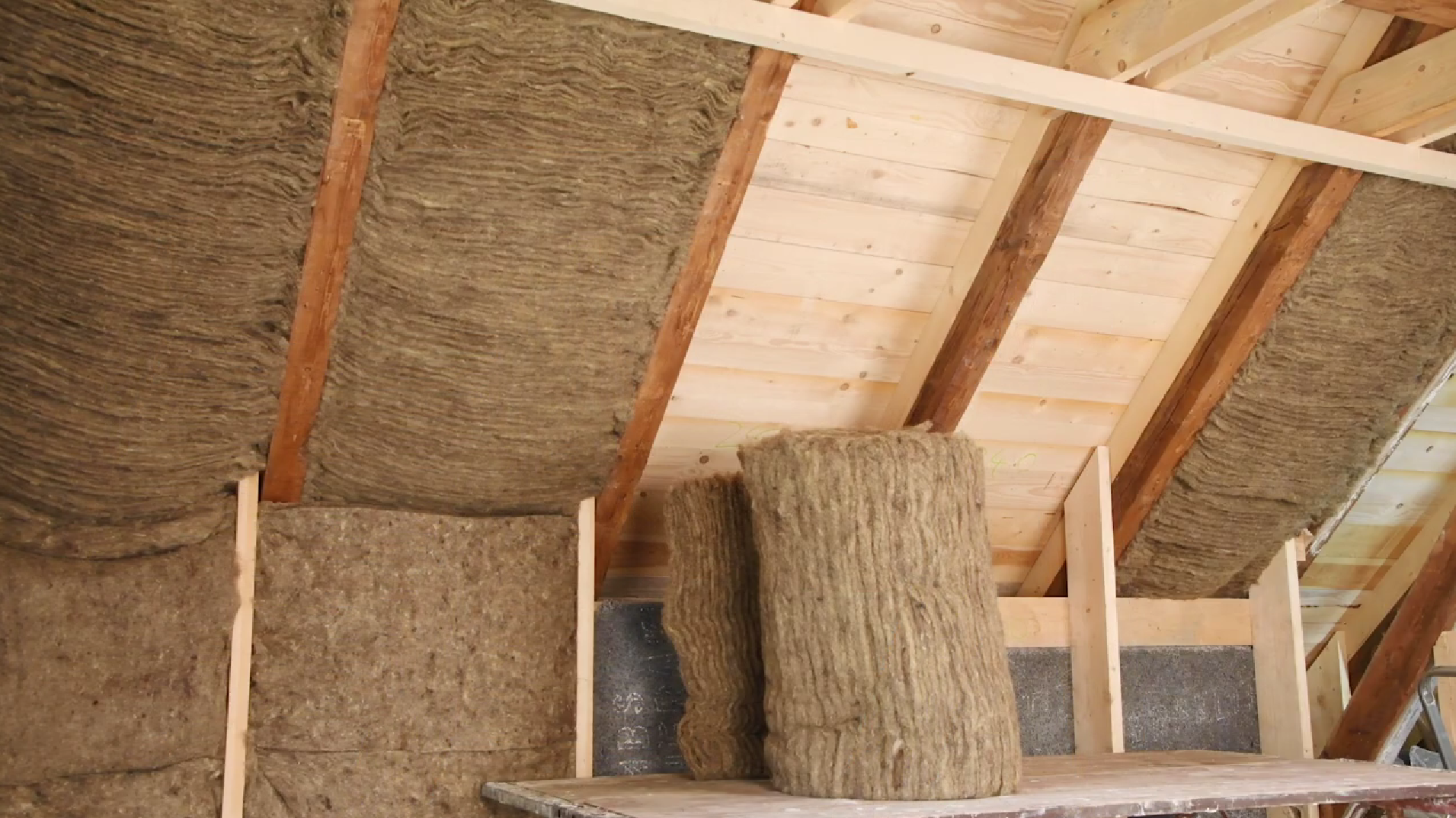
In pitched roofs the wool is fitted between the rafters, in rolls with a backing felt that makes mechanical fixing easier on horizontal and sloping planes.
The elasticity of the fibre lets the wool sit tight against the rafters with no gaps, even where the spacing is irregular, as is common in older buildings.
Lofts and roof voids
In unoccupied lofts and roof voids the wool can be laid over the floor or fitted between the structure. It is one of the works with the best cost to performance ratio in a renovation.
Installation to the ceiling is done by hand, with no dust mask or specific protective clothing, which makes work in confined spaces simpler.
Moisture and performance
Sheep wool is hygroscopic and open to vapour diffusion (diffusion resistance μ=1): it absorbs water vapour from the air and releases it again when conditions change, without a relevant loss of thermal performance.
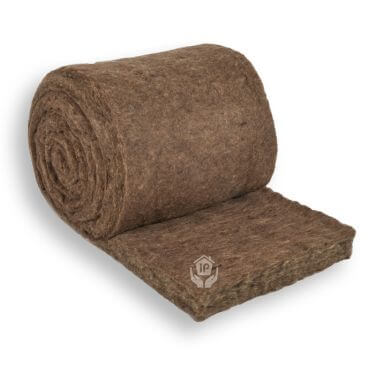
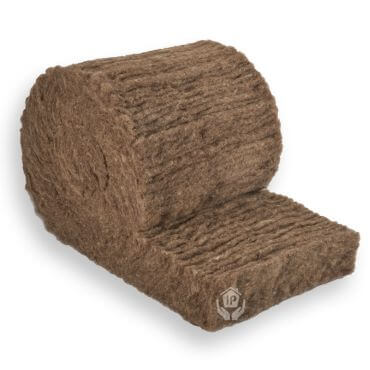
The declared thermal conductivity of our rolls is between 0.033 and 0.038 W/mK, with densities from 18 to 30 kg/m³ and thicknesses from 30 to 300 mm, depending on the product.
Recommended products
Products usually recommended for roofs and lofts.
Frequently asked questions
- What thickness is usual in a pitched roof?
- Rolls are available from 30 to 140 mm and can be combined in layers. The thickness is decided according to the available structure and the performance sought.
- Can an already finished loft be insulated?
- In many cases yes, above all where there is access to the void. Send photographs and measurements and we will review the situation.
You can also see real projects and the advantages of sheep wool.
Quer saber como a lã natural pode transformar o seu projeto?
Fale connosco e receba aconselhamento personalizado